Hello, Kyoto
- Delaney Hanon
- Dec 23, 2025
- 5 min read

December 17-19
We only had about 48 hours in Kyoto, and during that time we took almost 40,000 steps. We were warned that Kyoto wasn't a very walkable city, but we tried our darndest anyway. We saw a lot of amazing things. And now my feet hurt.

We took the train from Osaka on Wednesday morning. Kyoto and Osaka are very close to each other, so we essentially jumped on a commuter train, similar to the Sounder back home. By the time we got on, it was standing room only, but we found a good place to lean with our giant bags and settled in for the 45ish minute ride. Our hotel was only a 15 minute walk from the station, but we couldn't check in yet, so we dropped our bags and set out to explore the city.


Calvin had found a hike to a waterfall that he wanted to do, so we set out in that direction. It was an hour and a half from the hotel, but we figured it would be a good chance to get our bearings and fill the time until we could check in. We started off down the street, and immediately had to stop just a few doors down at a pottery studio, complete with artisan busy with paints and glazes. Along the way, we stopped by several temples, each of which had their own focus. Some were Buddhist, like other temples we had explored in Thailand and Taipei, and others were Shinto, a specifically Japanese religion. All of the architecture was beautiful and grand, and we were able to weave our way through the temples and stick pretty close to our Google Maps directions. This route took us right through Gion, one of the old Geisha districts. We were too early to actually see any out and about, but we did stumble by an Ochaya (tea house) with a sign clearly stating that entry was by invitation only, and saw a couple of signs warning tourists not to disturb Geisha or clientele. We also stopped for some Matcha soft serve, and despite the cold we enjoyed it outside in a beautiful garden.


A little over 2 hours later, and we still hadn't made it to our hike yet due to all the detours. By the time we got to the turn off, I was cold, tired, and a little cranky. We trekked past houses and up a hill so steep cars were struggling to make it up in one go. When we made it to the top, a mere 15 minutes from the waterfall according to our map, we simply could not find the path it was telling us to follow. The only routes appeared to be right through some house's backyards, and we did NOT want to be those American tourists getting lost and bothering people. Regrettably, we turned around and made our way back into town, enjoying the fact that we got into the mountains a little bit, and that we had an incredible view.

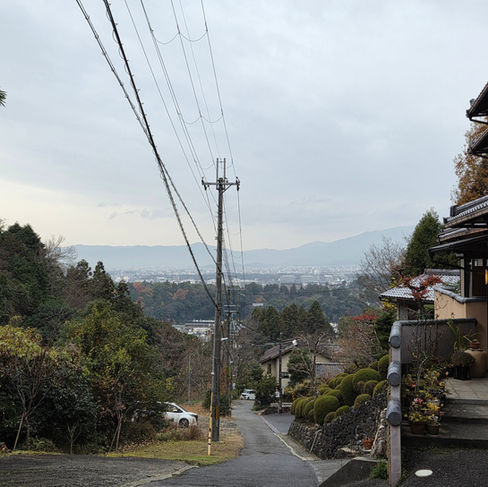


For our journey back, we followed the Philosopher's Path, a walkway alongside a river that winds its way to even more temples. It had begun to rain at this point, and the entire thing was very picturesque and lovely. We were cold and tired, but look at where we were!


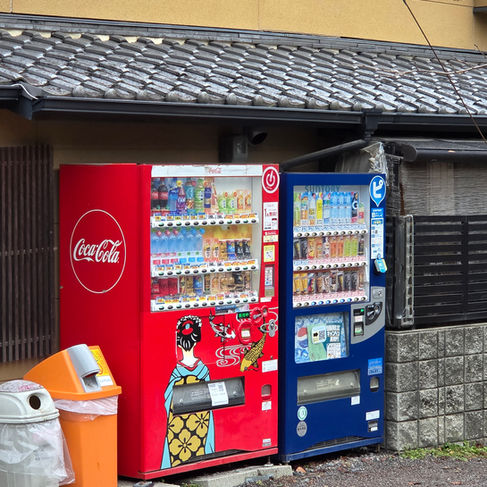
Eventually, we made it back to our hotel and were able to check in. This hotel was an amazing deal--$32 a night including breakfast AND free laundry! The room was small and very Japanese--the bed lay directly on the floor on top of tatami mats, on which we couldn't wear shoes or put our luggage. Used to making small spaces work at this point, we got settled, took a rest, then set out for dinner. We found a tiny udon place just a block away from our hotel. It had a counter with 8 or so seats, a couple of tables with cushions on the floor, and was cash only. It was absolutely superb.





The next morning we set out for another long day on our feet. First off, we found our way to the Nishiki Market, which is about 5 blocks of packed stalls all featuring incredible food. You can buy ingredients here (fruit, vegetables, fish, meat, miso, spices, etc.) or prepared food at any of the amazing stalls. We stopped for some ¥100 sake (about 64 cents) and ¥1000 sushi (about $6), though I probably could have stopped at every stall if Cal had let me!





From the market, we headed for the Imperial Palace, which was the residence of the Imperial family until the end of the 19th century when the capital moved to Tokyo. You can't actually enter the buildings of the palace, but it is free to enter the grounds and walk around. There are helpful signs throughout describing what each building was used for and its restorations over time. As I mentioned in our Osaka post, it has been fascinating to compare palaces/castles/etc. across different cultures. Here, one major parallel Cal pointed out was the orange trees. In Versailles, orange trees were kept on wheels so they could be taken in to a greenhouse and then set out when the King was nearby. In Kyoto, they built a structure around the trees to keep them warm during the winter. Moving the tree to a building vs. moving a building to the tree. Same principal, different methods.





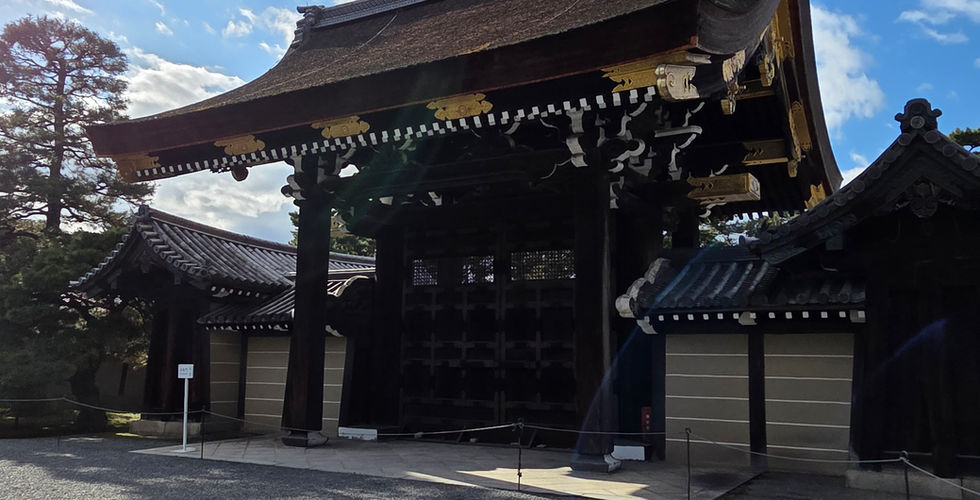


On our way from the palace, we walked through the gardens surrounding the walls, enjoying the lovely colors and crisp weather.


Our second stop of the day was the Kyoto Museum of Crafts and Design. After a quick stop at a convenience store for lunch, we made our way across the city to the museum. This was one of the best museums we have been to on this journey, which is saying a lot. I have to admit, we mainly went for Cal, who loves craftsmanship and traditional artistry. I like the cultural and historical connections, but don't get as excited about the actual methodology of the crafts. But this museum was a great balance for both of us! They had hand-on stations where you could try out tying traditional knots, wrapping objects using a Furoshiki, and put together different wooden joinery techniques. There were examples of dozens of crafts, from hand-painted kimonos to traditionally lacquered bowls. There was a documentary where they interviewed different artisans about their work. Each display also gave information on the specific artist and how you could get in contact if you were interested in purchasing from them, and many were available in the gift shop. What struck us both about this museum was all the different ways the material was presented, which is definitely not what other museums have been able to boast. Switching from one part of our brains to another in order to digest information kept the whole experience fresh from start to finish. Overall, it was a surprising and wonderful visit!


As the darkness wrapped around us on the walk home, we decided to opt for another dinner spot by our hotel. This time chicken katsu--I didn't grab a picture, but I did enjoy the bowl.




The next morning we packed our things yet again and set out for the Shinkansen--the Bullet Train. Everything in Japanese metro stations has been so clear and easy to find. When I had trouble scanning my ticket (I didn't know if I was supposed to scan my metro ticket or my Shinkansen ticket at a specific turnstile), a conductor immediately came along to help. When the train pulled up, we were able to immediately find our car and our seats, and within minutes (seriously, the Shinkansen spends a minute and a half at each station) we were on our way. Just 2 hours later we were in Tokyo--our final stop.


Comments